
Out-of-home advertising has a branding problem, and it is entirely self-inflicted. For years, the category has been treated by many marketers as the medium you fall back on when the “real” strategy, meaning digital, is already funded, or as a nostalgia buy that looks nice in a campaign recap deck but does not get taken seriously in a performance review. That reputation is increasingly out of step with the data, and it is worth walking through exactly where the misconceptions come from and why they no longer hold up.
Misconception One: Out of Home Cannot Be Measured
This used to be a fair criticism. It no longer is. Modern out-of-home planning uses location data, traffic patterns, foot traffic counts, and ridership figures to estimate reach and frequency with real specificity, and post-campaign lift studies can measure brand awareness and recall the same way other channels do. The idea that out-of-home is a black box- spend the money and hope- reflects how the category worked twenty years ago, not how it works now.
Misconception Two: It’s a Brand Awareness Play With No Real Business Impact
This one is worth confronting directly, because the data actually argues the opposite. According to research from Clear Channel Outdoor and Kantar, out-of-home advertising produces an average 13.3 percent increase in ad awareness, outperforming television, digital, and connected TV on that same metric. And it is not just an awareness story. Research from the Out of Home Advertising Association of America and The Harris Poll found that after seeing a digital out-of-home ad, more than three-quarters of consumers took some kind of direct action, watching a related video, visiting a business, or having a conversation about the brand. Awareness and action are not separate outcomes here; they are connected.
Misconception Three: Digital Has Made Traditional Formats Irrelevant
The narrative of digital replacing traditional media has been repeated so often that it gets treated as settled fact, even though the actual market data tells a different story. Out-of-home advertising posted its nineteenth consecutive quarter of revenue growth in 2025, reaching a record 9.46 billion dollars in the United States alone, according to the Out of Home Advertising Association of America. Transit specifically was the fastest-growing segment within that category. This is not a category in decline being propped up by nostalgia; it is a category that advertisers are actively increasing investment in, because it is delivering results that other channels increasingly struggle to match, particularly as digital ad fatigue, ad blocking, and platform algorithm changes make digital reach less reliable than it once was.
Misconception Four: One Format Fits All Goals
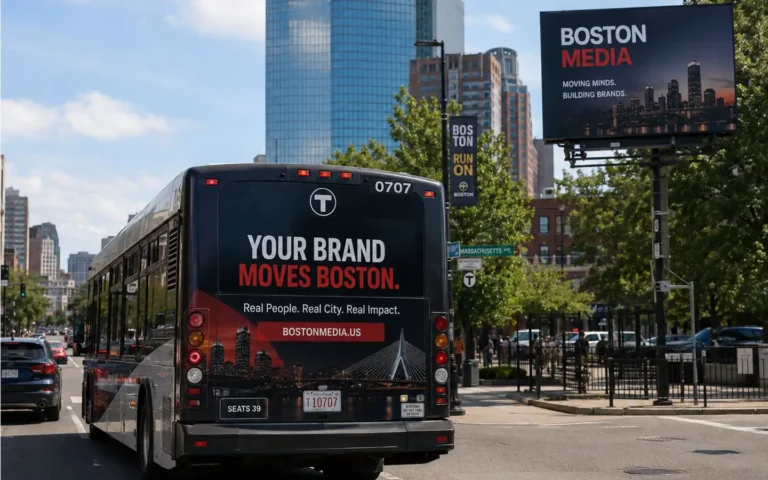
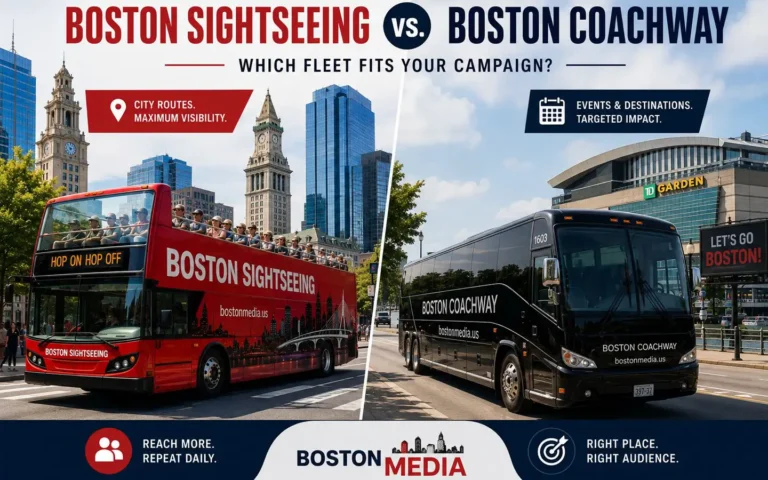
This is less a myth than a planning error, but it is common enough to be worth naming directly. A billboard, a transit wrap, and a digital out-of-home screen are not interchangeable; they serve different goals, audiences, and creative formats. Advertisers who treat “out of home” as a single monolithic buy, rather than a category with meaningfully different subtypes, often end up disappointed with results that were never a fair test of the medium’s actual strengths. The right question is never simply “should we do out of home,” it’s “which specific out of home format fits this specific goal.”
Misconception Five: It’s Too Expensive for Anything but the Biggest Brands
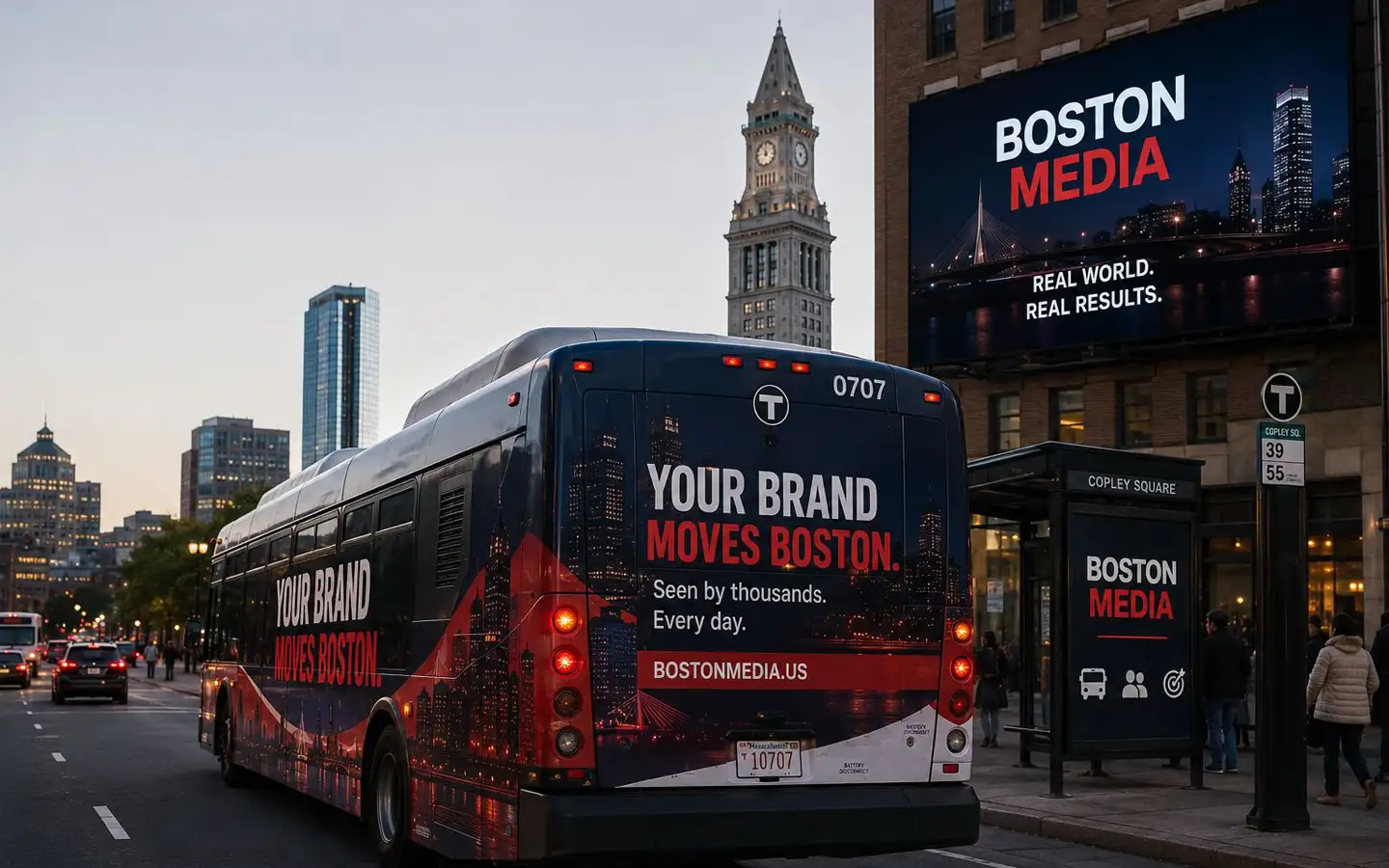
Premium billboard locations and large-scale digital out-of-home networks can carry significant price tags, and that reputation has bled into perceptions of the category as a whole. But formats like transit and bus wrap advertising are frequently far more accessible, offering sustained, high-visibility exposure at a cost that puts them within reach of regional and mid-sized advertisers, not just national brands with seven-figure media budgets.
What This Means Going Forward
Out-of-home advertising is not the medium many advertisers still picture when they hear the term. It is measurable, it drives both awareness and action, it is growing rather than shrinking, and it comes in enough formats to fit a wide range of goals and budgets. The advertisers getting the most out of it right now are the ones who have stopped treating it as an afterthought and started treating it the way they’d treat any other channel, by matching the specific format to the specific goal.
If you’re rethinking where out-of-home fits in your own strategy and want to talk through what a transit or bus wrap campaign could realistically deliver, get in touch with our team.